


28 Lug 🌕 Guru Pūrṇimā / Vyāsa Pūrṇimā, 29 Luglio 2026- significato e radici

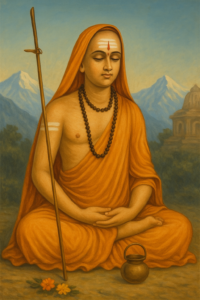
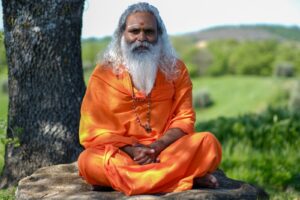
Nella tradizione il Guru non è soltanto una persona: è il tramite della grazia attraverso cui avvengono tre trasformazioni interiori:
- l’ascolto (śravaṇa) degli insegnamenti,
- la riflessione (manana) senza confusione,
- l’assimilazione profonda (nididhyāsana) che diventa vita che riflette gli insegnamenti.
In questa giornata si rinnova l’affidamento:
- al proprio maestro,
- alla linea di trasmissione,
- e all’intelligenza del cuore che desidera capire davvero.
Le fonti classiche spiegano il termine Guru come colui che rimuove l’oscurità dell’ignoranza. L’Advayatāraka Upaniṣad afferma: “gu” è l’oscurità, “ru” il suo dissolvimento; il Guru è colui che rimuove l’oscurità .
Guru Pūrṇimā è quindi la celebrazione del Guru‑tattva, non solo del maestro umano, ma del principio universale della conoscenza che dissipa l’ignoranza e che si manifesta attraverso la Tradizione, il Maestro vivente, la pratica e la disciplina interiore.
Perché si chiama anche Vyāsa Pūrṇimā
Il nome deriva da Kṛṣṇa Dvaipāyana Veda Vyāsa, considerato l’Ādi-Guru, il primo Maestro della Tradizione. Secondo i Purāṇa, Vyāsa nacque proprio nel giorno di Āṣāḍha Pūrṇimā .
La figura di Veda Vyāsa è centrale nella storia spirituale dell’India. Le fonti concordano su alcuni contributi fondamentali:
- Compilazione dei Veda: Vyāsa divise l’unico corpo vedico in quattro parti — Ṛg, Yajur, Sāma e Atharva — per renderlo trasmissibile e preservarlo nel tempo .
- Composizione del Mahābhārata: il grande poema che contiene la Bhagavadgītā e una vasta sezione di insegnamenti etici e spirituali.
- Redazione dei Purāṇa: tradizionalmente gli vengono attribuiti i 18 Purāṇa principali.
- Brahma Sūtra: il testo filosofico che struttura la dottrina vedāntica.
- Vyāsa Puja: durante Guru Pūrṇimā, molti centri monastici celebrano la Vyāsa Puja, riconoscendo Vyāsa come il fondamento della trasmissione del sapere .
Vyāsa è dunque il simbolo della continuità della Tradizione: ciò che è stato ricevuto dai Ṛṣi viene ordinato, chiarito e consegnato alle generazioni future.
Le celebrazioni iniziano al sorgere del sole con il tithi attivo fino alle 20:06(orario India)
Secondo le fonti vediche e i panchāṅga (calendari) tradizionali, la giornata prevede:
- Snāna: bagno rituale all’alba.
- Guru‑pūjā / Vyāsa‑pūjā: offerta di fiori, lampada, acqua, frutti.
- Dakṣiṇā: dono simbolico al Maestro.
- Svādhyāya: studio dei testi, in particolare dei Veda, della Bhagavadgītā e dei Purāṇa.
-
Chāturmāsya: per gli asceti, Guru Pūrṇimā segna l’inizio dei quattro mesi di residenza e insegnamento durante la stagione delle piogge.
-
Om̐ Śrī Gurubhyo Namaḥ / ॐ श्री गुरुभ्यः नमः
Mi inchino alla Tradizione che nasce dai Ṛṣi, continua attraverso Veda Vyāsa, Adi Shankaracharya, e giunge fino a me, attraverso il mio Guru, come un filo d’oro prezioso che non si spezza.
Nel silenzio più intimo, rivolgo la mia devozione e gratitudine al mio Maestro, Swami Ananda Saraswati, luce viva nella mia vita, fiamma che non vacilla, presenza che sostiene, guida, corregge, consola.
A lui devo tutto: la disciplina che ho imparato, la chiarezza che ho riscoperto nel cammino, l’amore per la conoscenza. Ogni insegnamento che mi ha donato è un seme che continua a germogliare.
In questo giorno di Guru Pūrṇimā, io offro la mia sadhana come un fiore, la mia devozione come una lampada, la mia vita come un piccolo fiume che desidera unirsi all’oceano della Tradizione.
Che la benedizione del Guru scenda su di me come pioggia sottile, che la saggezza dei Maestri continui a illuminare il mio cammino, che la devozione per il mio Maestro rimanga salda, pura, silenziosa, come la luna che oggi brilla piena nel cielo.
Con resa, con amore, con gratitudine. Stefania
🌕 Guru Purnima – English Translation
Guru Pūrṇimā, which in 2026 is celebrated on Wednesday, July 29, is the radiant full moon of the lunar month of Āṣāḍha, dedicated to gratitude toward the Guru.
Deep Meaning
Guru Pūrṇimā is also known as Vyāsa Pūrṇimā, as it commemorates the birth of Maharṣi Veda Vyāsa, the sage who compiled the Vedas and composed the Mahābhārata. In many yogic traditions, it is also the day when Adiyogi Śiva became the first Guru, transmitting the science of yoga to the Saptarṣi.
In the tradition, the Guru is not merely a person: he is the channel of grace through which three inner transformations take place:
- śravaṇa – listening to the teachings,
- manana – reflection without confusion,
- nididhyāsana – deep assimilation that becomes life aligned with the teachings.
On this day, one renews one’s commitment:
- to one’s own teacher,
- to the lineage of transmission,
- and to the intelligence of the heart that truly longs to understand.
Classical sources explain the term Guru as “the one who removes the darkness of ignorance.” The Advayatāraka Upaniṣad states: “gu” is darkness, “ru” is its dissolution; the Guru is the one who removes darkness.
Guru Pūrṇimā is therefore the celebration of Guru‑tattva: not only the human teacher, but the universal principle of knowledge that dispels ignorance and manifests through the Tradition, the living Master, practice, and inner discipline.
Why it is also called Vyāsa Pūrṇimā
The name derives from Kṛṣṇa Dvaipāyana Veda Vyāsa, considered the Ādi‑Guru, the first Master of the Tradition. According to the Purāṇa, Vyāsa was born precisely on the day of Āṣāḍha Pūrṇimā.
The figure of Veda Vyāsa is central in the spiritual history of India. Sources agree on several fundamental contributions:
- Compilation of the Vedas: Vyāsa divided the single Vedic corpus into four parts — Ṛg, Yajur, Sāma, and Atharva — to make it transmissible and preserve it over time.
- Composition of the Mahābhārata: the great epic containing the Bhagavadgītā and extensive teachings on ethics and spirituality.
- Redaction of the Purāṇa: traditionally, the 18 major Purāṇas are attributed to him.
- Brahma Sūtra: the philosophical text that structures Vedānta doctrine.
- Vyāsa Pūjā: during Guru Pūrṇimā, many monastic centers perform Vyāsa Pūjā, honoring Vyāsa as the foundation of the transmission of knowledge.
Vyāsa is therefore the symbol of the continuity of the Tradition: what was received from the Ṛṣi is ordered, clarified, and handed down to future generations.
Ritual Observances
Celebrations begin at sunrise, with the tithi active until 20:06 (India time).
According to Vedic sources and traditional panchāṅga (calendars), the day includes:
- Snāna – ritual bath at dawn
- Guru‑pūjā / Vyāsa‑pūjā – offering of flowers, lamp, water, fruits
- Dakṣiṇā – symbolic offering to the Master
- Svādhyāya – study of sacred texts, especially the Vedas, the Bhagavadgītā, and the Purāṇas
For ascetics, Chāturmāsya begins on Guru Pūrṇimā: four months of residence and teaching during the monsoon season.
Invocation
Om̐ Śrī Gurubhyo Namaḥ / ॐ श्री गुरुभ्यः नमः
I bow to the Tradition that arises from the Ṛṣi, continues through Veda Vyāsa, Ādi Śaṅkarācārya, and reaches me through my Guru as a precious golden thread that never breaks.
In the most intimate silence, I offer my devotion and gratitude to my Master, Swami Ananda Saraswati, a living light in my life, a flame that does not waver, a presence that supports, guides, corrects, and consoles.
To him I owe everything: the discipline I have learned, the clarity rediscovered along the path, the love for knowledge. Every teaching he has given me is a seed that continues to blossom.
On this day of Guru Pūrṇimā, I offer my sādhana as a flower, my devotion as a lamp, my life as a small river longing to merge with the ocean of the Tradition.
May the blessing of the Guru fall upon me like a gentle rain, may the wisdom of the Masters continue to illuminate my path, may my devotion to my Master remain steady, pure, and silent, like the full moon that shines in the sky today.
With surrender, with love, with gratitude. Stefania
No Comments